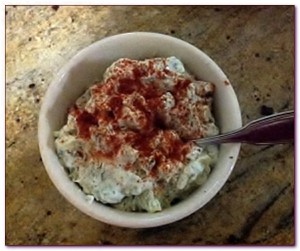
A good Tzatziki or Raita is more than just yoghurt and cucumber — they need time, the right balance of garlic and lemon, and fresh herbs. These use homemade yoghurt that has been strained to remove excess liquid and are made the day before so the flavours have time to meld properly. Both are cooling, bright, and go with almost everything on a Middle Eastern or Indian spread.
These are very similar recipes, the added herbs being the main difference depending on whether you are wanting to accompany Greek or Indian dishes.
To reduce the liquid in the mix it is best if the cucumbers and the yoghurt are prepared ahead. I like a bit of texture in my tzatziki but you can grate or process it.
TZATZIKI or RAITA
Ingredients
- 1 cup plain full-fat yoghurt, strained — (labne – see yoghurt recipes) for at least as long as the cucumber was left to drain – see Notes
- 1 -2 cucumbers, seeded, grated or finely chopped to make about 1 cup
- 1 tsp toum, or 1 small garlic clove finely grated — see Notes
- 1 tbsp lemon juice
- 2 tbsp fresh mint, finely chopped
- 1 tbsp fresh fennel fronds or ½ tsp dried dill, finely chopped
- 1 tbsp capers, roughly chopped
- 2 tbsp extra virgin olive oil, plus extra to finish
- Salt and pepper to taste
- (Tzatziki) Zaátar to top
- (raita) 1 tsp cumin seeds, toasted and lightly ground
- (raita) cayenne pepper sprinkled on top to garnish
To serve
- Drizzle of extra virgin olive oil
- Generous pinch of za’atar
Method
- Strain the yoghurt through a fine cloth or muslin for at least 2 hours, or use a labneh strainer if you have one. The yoghurt should be thick and creamy before you start — homemade yoghurt has more whey than commercial Greek yoghurt and will go watery if not strained.
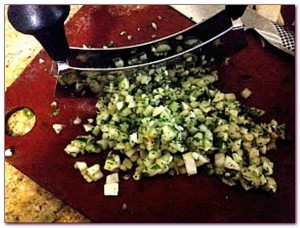
- Remove the seeds from the cucumber, grate or finely chop. Sprinkle with salt and toss. Leave in a sieve over a dish to drain for an hour then rinse and then transfer to a clean cloth, squeeze firmly to remove as much liquid as possible, then pat dry.
- Combine strained yoghurt, cucumber, toum or garlic, lemon juice, mint, fennel or dill, capers and olive oil. Season with salt and pepper.
- Refrigerate for at least 3 hours, or overnight. The flavours improve significantly with time — overnight is best.
- To serve, transfer to a bowl, drizzle with olive oil and dust generously with za’atar.
Notes
Straining the yoghurt is not optional if you are using homemade yoghurt — skip this step and it will be runny by the time it reaches the table. Two hours minimum through a cloth, or leave it overnight in the fridge in a labneh strainer.
Toum — Lebanese garlic paste — is an excellent substitute for fresh garlic. It distributes more evenly through the yoghurt and has none of the harsh raw garlic bite. Start with 1 tsp as it is quite strong; taste and add more if needed.
Fresh fennel fronds or fennel bulb finely chopped are a good substitute for dill — the anise note is similar and works well. Use sparingly as fennel is more assertive than dill.
Capers are not traditional but add a briny depth that works particularly well alongside rich meat like brisket or lamb.
Pickled cucumber (not gherkins) can be substituted for fresh — drain, rinse briefly, chop finely and squeeze dry. Go easy on the added salt as pickled cucumber may be already quite salty. The result is a more complex, tangy tzatziki with an interesting fermented note.
Make this the day before. It will be noticeably better the next day.