This is the kind of soup that asks almost nothing of you. Nothing really needs to be measured, almost everything is swappable for what you’ve got in the garden or the pantry, and it freezes beautifully in single serves for nights when winter has got the better of you. The bones of the recipe come from Melissa Clark’s New York Times red lentil soup, but it’s been adjusted and re-adjusted until it became something we’d actually want to keep making. A dollop of homemade yoghurt or kefir, some coriander and a squeeze of lemon at the table makes all the difference. And there are countless flavour variations, just make a big batch, portion it into 800g lots. Put 2 packs in the freezer and one in the fridge for this week. Just defrost a bag and adjust the flavours to whatever takes your fancy and you have a quick meal.
RED LENTIL SOUP WITH LEMON AND YOGHURT
Ingredients
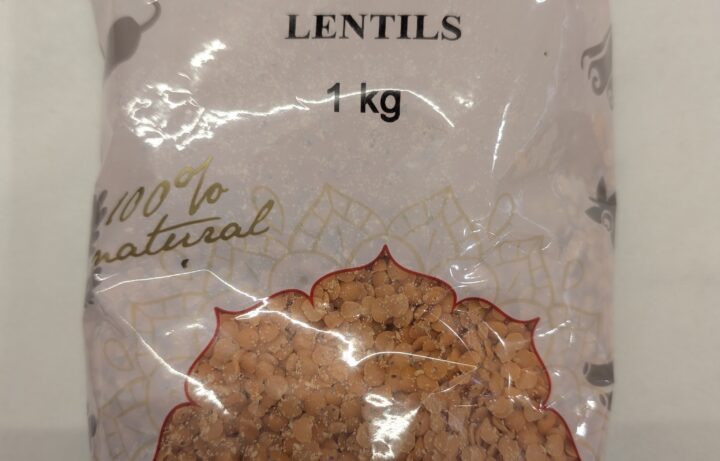
- 300g red lentils (mine come in 1kg bags so I get 3 batches of soup out of each bag)
- 100g 8-Grain Power Mix
- 2 tablespoons olive oil, plus extra to drizzle
- 1 large brown onion, finely chopped (about 200g)
- 2 garlic cloves, minced
- 3 tablespoons besan (chickpea flour)
- 5 teaspoons Vegeta or other stock powder
- 2 tablespoons tomato sauce or tomato paste
- 2 teaspoons ground cumin
- 2 teaspoons smoked paprika
- 2 teaspoons gochugaru (Korean chilli flakes), or ¼ teaspoon chilli powder or cayenne
- Freshly ground black pepper
- 2.5 litres water
- 500g carrot and/or sweet potato, peeled and diced or grated
- 300g cabbage, finely shredded, or a generous handful of finely sliced English spinach per serve
- Juice of ½ lemon, plus more to taste
- 3 tablespoons fresh coriander, chopped
To Serve
- Plain yoghurt or kefir
- Lemon wedges
- Sumac for sprinkling
- Extra olive oil for drizzling
- Crusty bread or focaccia
Method
- Weigh 300g red lentils and 100g 8-Grain Power Mix into a sieve, rinse and leave to drain.
- Heat 2 tablespoons olive oil in a large soup pot over medium-high heat. Add the chopped onion and 2 minced garlic cloves and cook until softened and golden, about 4 minutes.
- Turn the heat down to medium. Add 3 tablespoons besan, 5 teaspoons Vegeta, 2 tablespoons tomato sauce, 2 teaspoons cumin, 2 teaspoons smoked paprika, 2 teaspoons gochugaru and some black pepper. Stir constantly for 2 to 3 minutes, until the besan smells nutty and the spices are fragrant. Don’t add salt.
- Add 500ml of the water slowly, stirring until smooth, then pour in the remaining 2 litres.
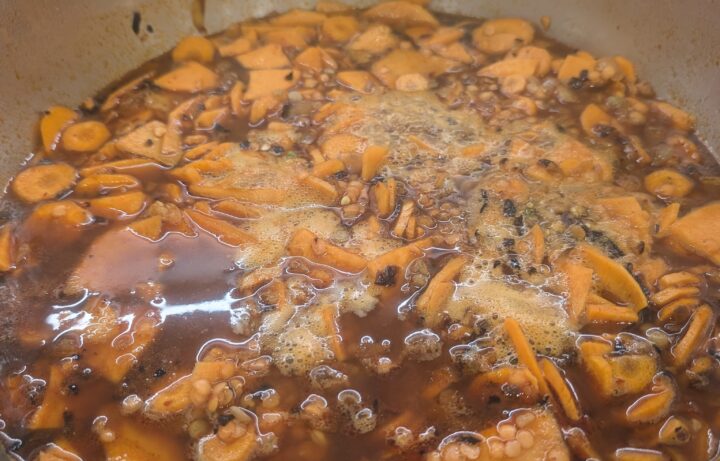
- Add the drained lentils and grain mix and 500g diced/grated carrot or sweet potato. Bring to a simmer, then cover the pot and reduce the heat to low. Cook for about 30 minutes, until the lentils are completely soft and falling apart. Stir every few minutes and scrape the bottom, because besan catches. Extra cooking on a slow simmer doesn’t hurt.
- Using a stick mixer, puree about half the soup in the pot, leaving plenty of lentil and carrot texture.
- If using cabbage, add 300g finely shredded cabbage and simmer for a further 10 to 15 minutes until tender.
- Check the thickness and thin with hot water if you like it looser if eating straight away. If freezing leave it thick and thin at serving. Taste, and only now add more Vegeta or salt if it needs it. Stir in the juice of ½ lemon and 3 tablespoons chopped coriander.
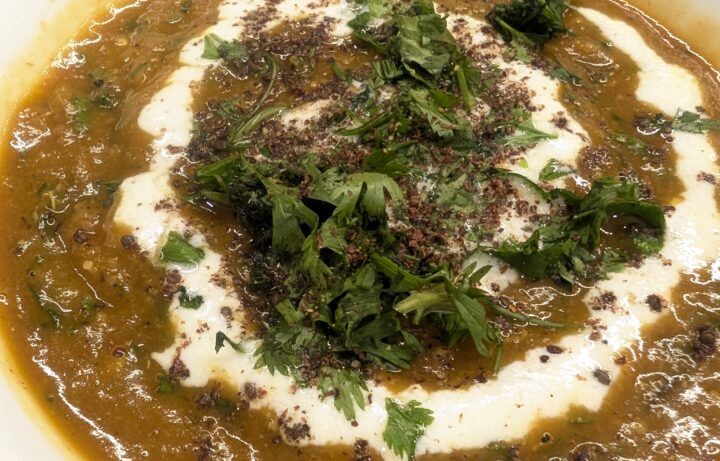
- To serve: ladle into bowls. If using spinach instead of cabbage, stir a generous handful of finely sliced spinach through each bowl; it will wilt in seconds in the hot soup. Add a spoonful of yoghurt or kefir, a drizzle of olive oil, a sprinkle of sumac and a lemon wedge. Serve with crusty bread on the side.
Notes
Besan for body. The besan (chickpea flour) thickens the liquid itself, so the soup stays creamy and holds together instead of separating into thin broth and lentil sludge. It needs toasting in the oil with the spices or it tastes raw and beany. The soup comes out quite thick and keeps thickening as it sits, so thin it with hot water to the texture you like.
Substitutions. Use what’s there. Sweet potato instead of (or alongside) the carrot adds sweetness and body. Cabbage, English spinach and silverbeet all work as the green; cabbage needs cooking in the pot, while spinach just wilts in the bowl. A generous squeeze of good tomato sauce (Rosella no-preservatives is what we use) is easier than opening tomato paste for one recipe. Homemade kefir is excellent in place of yoghurt: thinner, tangier, and there’s always a jar of it on the bench at our house. None of these need fussing over.
Korean chilli for a kid-friendly heat. Gochugaru gives a fruitier, smokier, less aggressive heat than ordinary chilli powder. Better for kids, and arguably more depth of flavour. Drop it to 1 teaspoon for very young eaters.
Stock. Vegeta or chicken stock powder both work, added straight to the pot with the spices. A mix of the two (Vegeta plus a good Chinese-style chicken powder like Bo Guar) gives more depth than either alone. Stock powder is already salty. Use less than the pack says and taste before adding any salt.
8-Grain Power Mix. The 8-Grain Power Mix of pearl barley, millet, buckwheat, quinoa, green lentils, black lentils, freekeh and mung beans turns this from a soup into a substantial pottage. It will thicken significantly on standing, so loosen with extra water when reheating. If you leave it out, reduce the water by 500ml.
Indian-leaning version. Use ghee instead of olive oil, add 1 teaspoon grated fresh ginger with the garlic, swap the smoked paprika for ½ teaspoon ground turmeric, and stir in 1 teaspoon garam masala along with the lemon at the end. Finish with yoghurt as above.
Thai version. Replace the smoked paprika and chilli with 2 tablespoons red curry paste and add a bruised lemongrass stalk to the simmer. Halve the stock powder, as the paste is salty. Finish with about 200ml coconut cream, lime instead of lemon, and coriander or Thai basil. Skip the sumac.
Turkish version. Use sweet paprika instead of smoked. Finish each bowl with butter melted with 1 teaspoon dried mint and 1 teaspoon gochugaru, and a squeeze of lemon.
Moroccan version. Replace the smoked paprika with 2 teaspoons ras el hanout and ½ teaspoon cinnamon. Finish with chopped preserved lemon rind (go easy, it’s salty) and coriander.
Italian version. Leave out the cumin and paprika. Add a rosemary sprig and a parmesan rind to the simmer, and remove both before blending. Use silverbeet instead of spinach. Finish with lemon, olive oil and a little grated parmesan.
Mexican version. Keep the cumin and smoked paprika, add 1 teaspoon dried oregano, and use 1 teaspoon sambal oelek instead of the gochugaru. Finish with lime, coriander and kefir.
Freezing and reheating. Make one flavour per batch, eat on the day and freeze the rest. Rotate flavours for an assorted freezer. Cool the base soup (without spinach, lemon or coriander added) and freeze in single vacuum-sealed serves for up to 3 months. Reheat gently with a splash of water, then add fresh spinach, lemon, coriander and yoghurt to each bowl at the table. The flavour improves overnight.
Bulking it up. A poached egg on top turns it into a proper winter dinner. Crusty bread, focaccia or warm flatbread on the side does the same job.