
It would be such a shame for any of the produce from our wonderful lemon trees go to waste so I had to make the ultimate sacrifice and come up with something else to do with my crop – something very alcoholic and very yummy – Limoncello!
I was first introduced to limoncello by Sarah who bought me a bottle for Christmas. I had nevertasted it before so I had to make the ultimate sacrifice and do lots of taste testing and it was just to my taste – lemony, sweet and very alcoholic.With this years harvest and my impending extended holiday I had to find things to so with the bumper lemon crop so here is my recipe – it is very good, so good that I am going to make a version with Tangelos.
A few points that made sense from my research:
You only use the zest. It is very important not to get any of the lemon pith in the mix as it adds bitterness. Many people use a potato peeler to remove the zest from the lemons but I found that it wasn’t that hard to use a wide microplane grater or the fine side of a microplane box grater and to simply remove the zest. The surface area of the mix is a lot greater than the peeled versions, so the flavour of the zest should be intensified and it is easy to avoid getting any pith.
You are supposed to need pure alcohol. Many say that a combination of vodka and grain alcohol make the best mix, however, unless I build a still I will have to do with 100% proof (that is 50% alcohol) Vodka purchased at Duty Free as that is the strongest we can get in Australia.
Time means strength and smoothness. Leaving each stage for 30 to 40 days seems to be about right. The zest will be almost white when the essential oils have been leeched out and the flavour transferred to the alcohol. As hard as it seems, don’t rush it.
Makes about 2 wine bottles full of mix, could easily be doubled (or tripled)
If you’ve got lemon trees producing faster than you can use them, limoncello is the answer. It’s lemony, sweet, and genuinely strong—the kind of thing you serve ice cold after dinner or pour over sorbet or even add to few cocktails. It needs to be the hero of the drink. it is not a flavouring. It only takes patience and vodka, but the effort’s worth it. You’ll end up with roughly two bottles of finished liqueur.
LIMONCELLO
Ingredients
Stage 1: Infusing the zest
- Zest from 10 well-washed lemons (about 50g)
- 750ml vodka (100% proof/50% alcohol, or the strongest available)
Stage 2: Making the syrup
- 600g white sugar
- 750ml filtered water
Method
Stage 1 (30–40 days)
- Remove zest from 10 well-washed lemons using a microplane grater or the fine side of a box grater. Avoid getting any white pith into the mix—pith adds bitterness. The microplane method gives you more surface area and intensifies the flavour.
- Put the lemon zest into a clean jar and pour in the 750ml vodka.
- After removing the zest you end up with a bunch of naked lemons – I just threw them in the freezer. Frozen lemon juice is good for tabbouleh and hummus and the skin is not worth having so the naked lemons should be fine.
- Cover the top of the jar with plastic wrap to stop the alcohol evaporating, then seal the lid tightly.
- Label the jar with the start date and the date you’ll strain it (30 days from now). Leave it out
- Shake the jar every few days for 30 days. The zest will gradually turn almost white as the essential oils leach out and the flavour transfers to the vodka.
- After zesting, you’ll have naked lemons left over. Freeze them whole—the juice is useful for tabbouleh and hummus, though the skin isn’t worth keeping.
Stage 2 (after 30–40 days)
- Make the sugar syrup by bringing 750ml filtered water and 600g white sugar to the boil in a saucepan. Keep it at a low simmer for 5 minutes, stirring to ensure all the sugar dissolves. Brush down the sides of the pan to remove any sugar crystals.
- Remove from heat and set aside to cool completely. Chilling it in the freezer speeds this up if you’re impatient.
- Strain the vodka and zest mixture through a fine sieve into a jug, pressing gently to release any remaining liquid.
- Strain it a second time through a double layer of damp muslin (wet it first, squeeze dry). This removes fine particles and any remaining zest. If you’re fussy, run it through a coffee filter afterwards, though muslin works fine on its own.
- Add the strained vodka mixture to the cooled sugar syrup and stir well.
- Bottle and seal. Label with the bottling date.
- Leave it for another 30–40 days before drinking. The liqueur improves with age—at least three months is worth the wait.
Notes
Don’t rush the infusion stages. Time genuinely does create smoothness and strength. Use the strongest vodka available in Australia (100 proof/50% alcohol from duty-free is typical). The zest turning almost white signals that all the essential oils have been extracted. Store the finished liqueur in a cool, dark place and serve ice cold, or pour over sorbet for a proper after-dinner experience.
Variations: Tangelocello uses tangelo zest instead of lemon—follow the exact same method. Limecello works beautifully too, using lime zest. Both can be left to infuse for up to 60 days if you want deeper flavour.
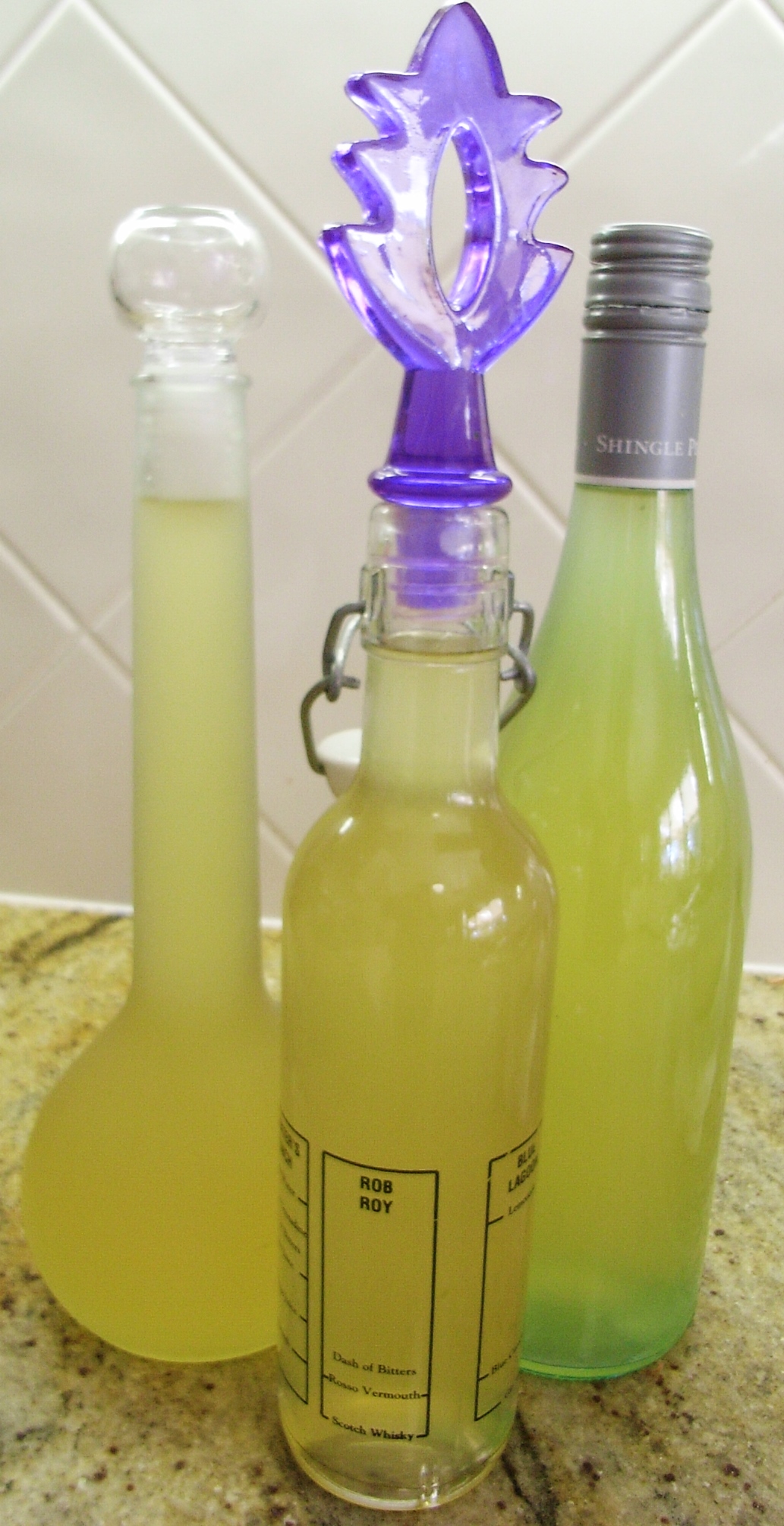
Limoncello bottled
In 30 to 40 days:
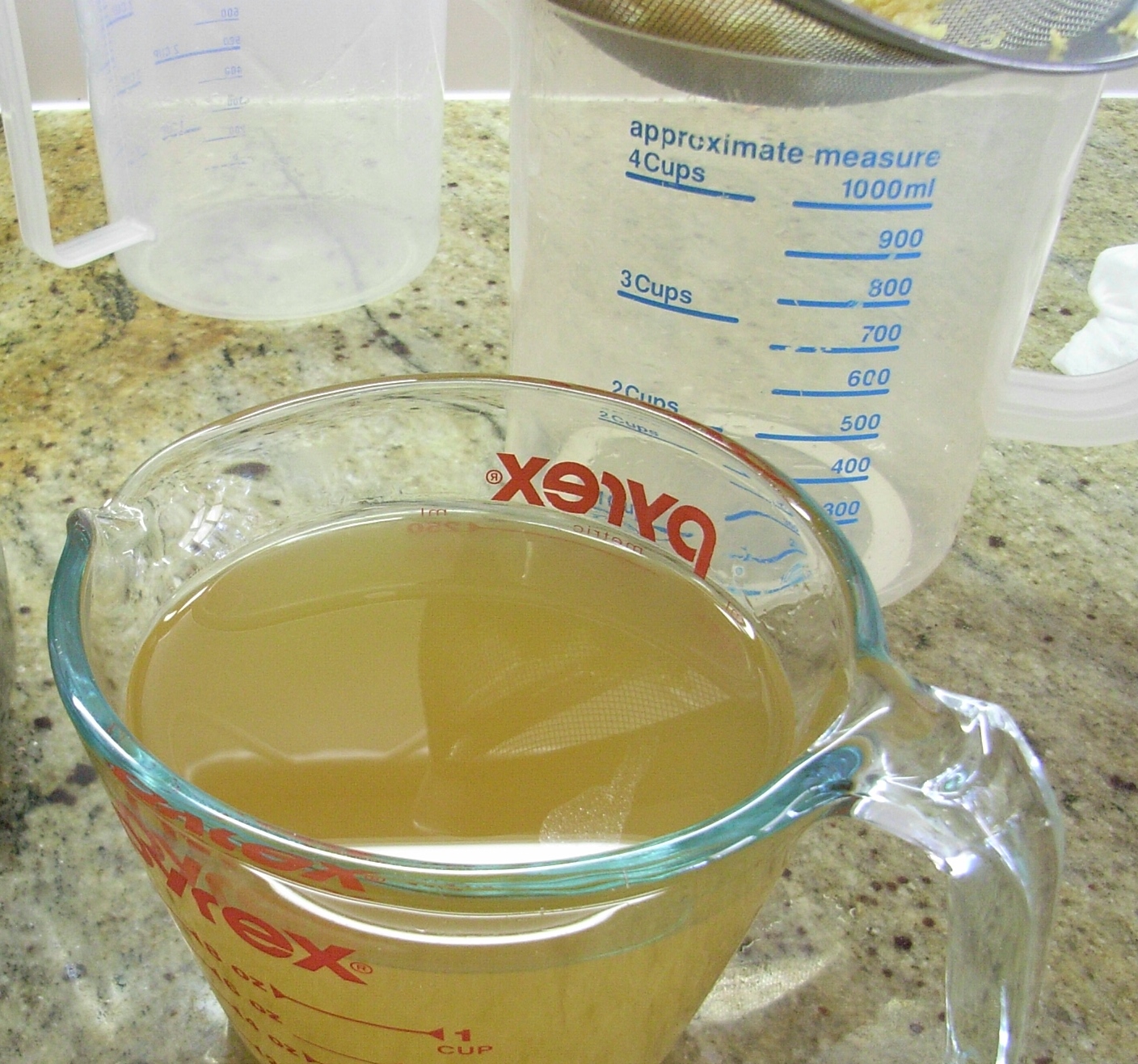
measure it up, ready to be mixed with syrup
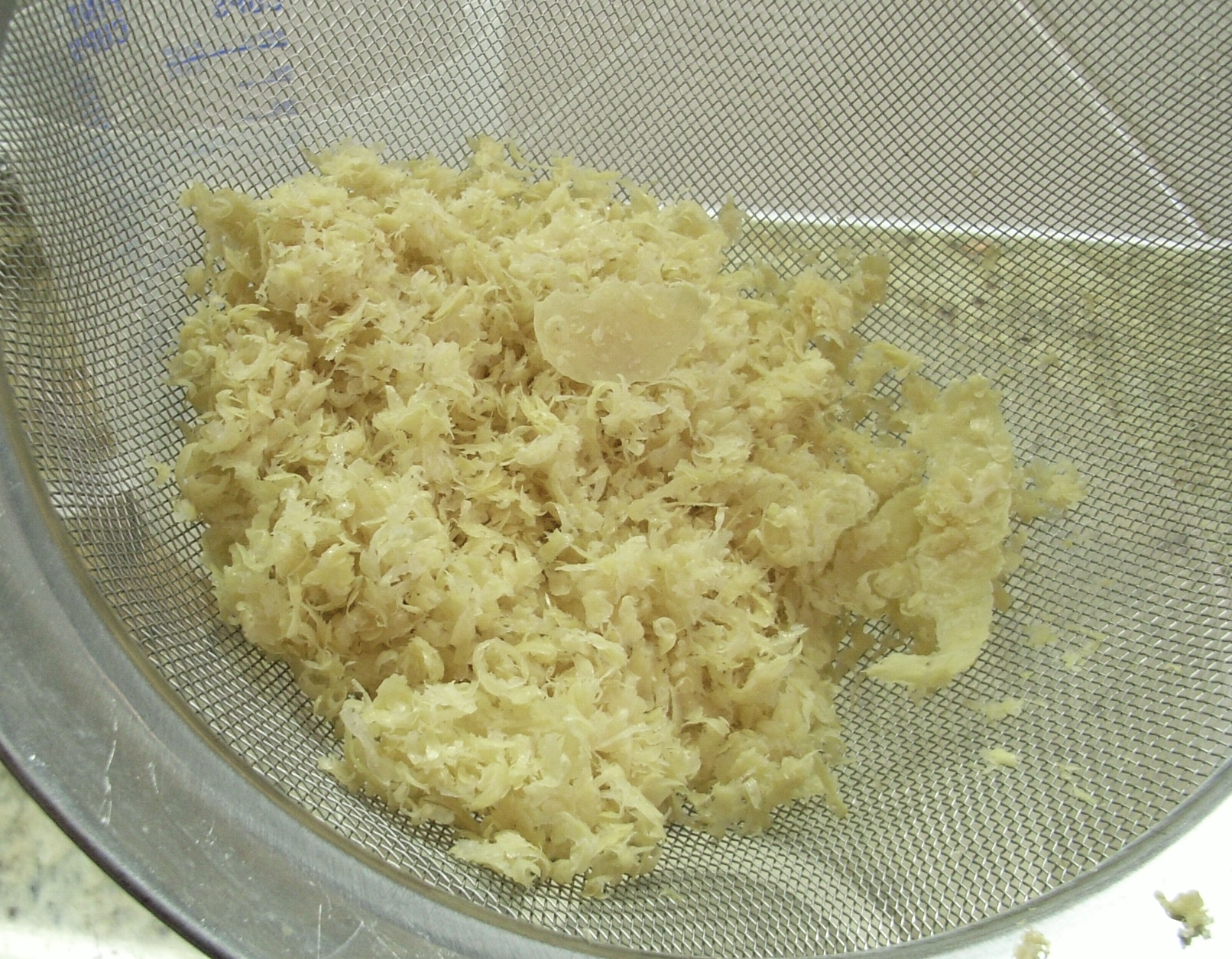
The zest is white when all of the oils have been leeched out.
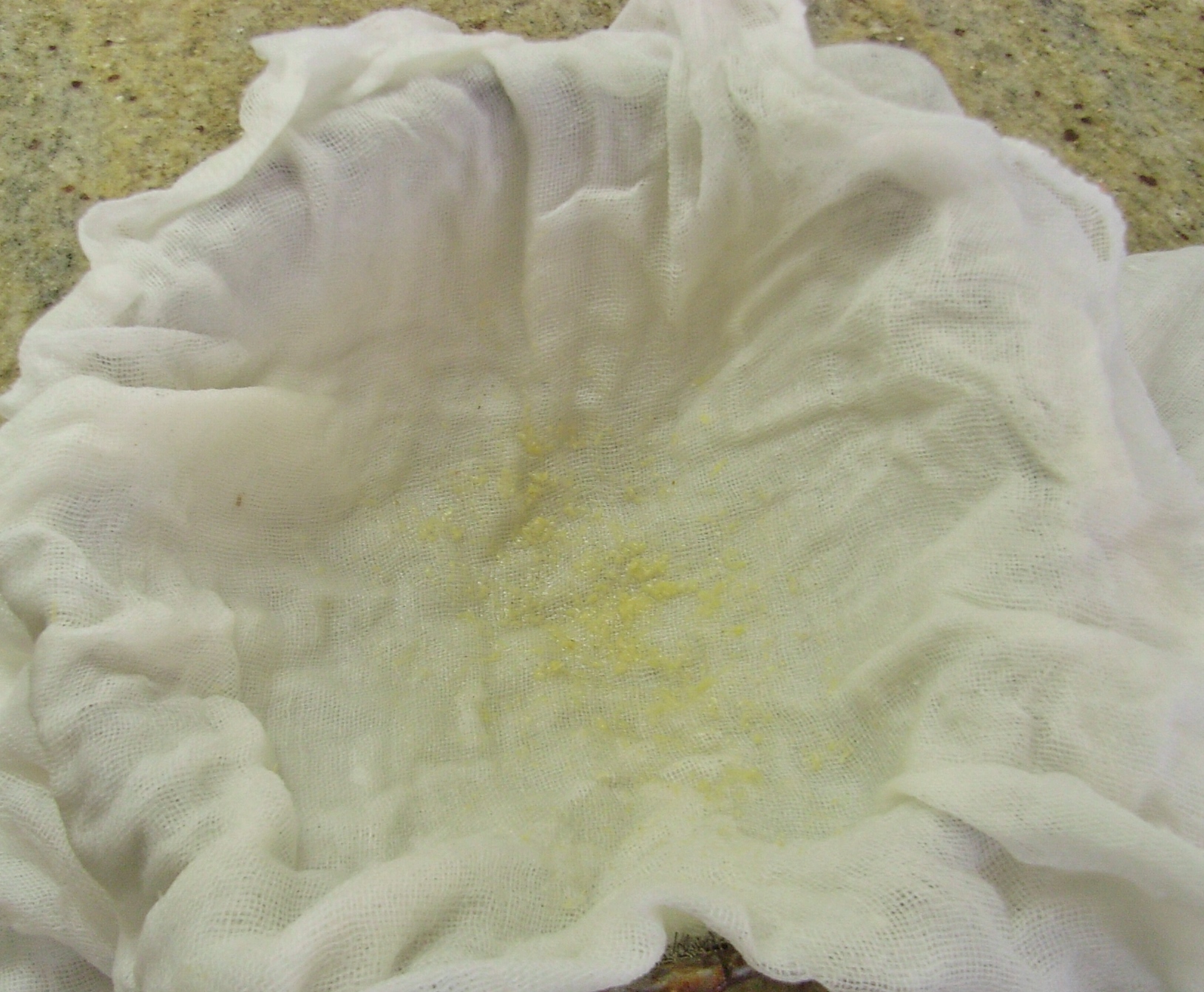
2nd strain through muslin
LIMECELLO
This promises to also be very good. Made the same as the previous mixes using the zest from limes.