
SWEET POTATO PAPTERT – INDIVIDUAL SERVES
Paptert is a South African layered bake — traditionally stiff maize porridge with a savoury filling, baked with cream and cheese until bubbling and golden. This version swaps the maize meal for roasted sweet potato mash, pressed into individual moulds and filled with whatever vegetables need using up. The result is a neat, self-contained serve that freezes brilliantly and reheats in minutes — perfect alongside grilled meat, fish, or just on its own. Make a batch when sweet potatoes are in season and you’ll have freezer meals sorted for weeks.
Sweet Potato Cups
- 1 kg cooked sweet potato (see Notes for cooking methods)
- 50g semolina
- 50g parmesan, finely grated
- 1 egg, beaten
- Salt and pepper to taste
- Olive oil spray
Filling
- 2 tablespoons olive oil
- 2 brown onions, diced
- 1 small leek, sliced (optional)
- 3 cloves garlic, crushed (or 1 tablespoon garlic powder)
- Approximately 3–4 cups of whatever vegetables you have — grated carrot, shredded cabbage, sliced zucchini, diced capsicum, chopped spinach, or any combination
- 2 x 400g tins crushed tomatoes
- 1–2 tablespoons finely chopped kimchi (optional, adds depth and gentle heat)
- 1–2 teaspoons Old Bay seasoning or Korean seasoned salt
- Salt and pepper to taste
Topping
- Approximately 200g fresh ricotta – see notes for options
- 30g parmesan, grated
- 100g mozzarella, grated
- A splash of whey or milk or kefir to loosen the ricotta if needed
- Extra grated cheese for the top – see notes for options
Method
- Mash the cooked sweet potato while still warm. Stir through the semolina and parmesan, then let it sit for 10 minutes so the semolina absorbs excess moisture.
- Stir in the beaten egg, season with salt and pepper, and mix well. The mash should be firm enough to hold its shape — if it’s still too loose, add another tablespoon of semolina and wait a few more minutes.
- Using a large ice cream scoop, portion the mash into 12 silicone muffin moulds (approximately 180ml capacity). Use the back of a spoon to press the mash into the base and up the sides of each mould, forming a cup.
- Bake at 180°C for 15–20 minutes until the cups are firm in the centre and just starting to pull away from the edges. In the last few minutes, spray lightly with olive oil so the edges crisp and brown. Remove and cool completely.
- While the cups bake, make the filling. Heat olive oil in a large pan over medium heat. Cook the onions and leek until soft, then add the garlic and cook for another minute.
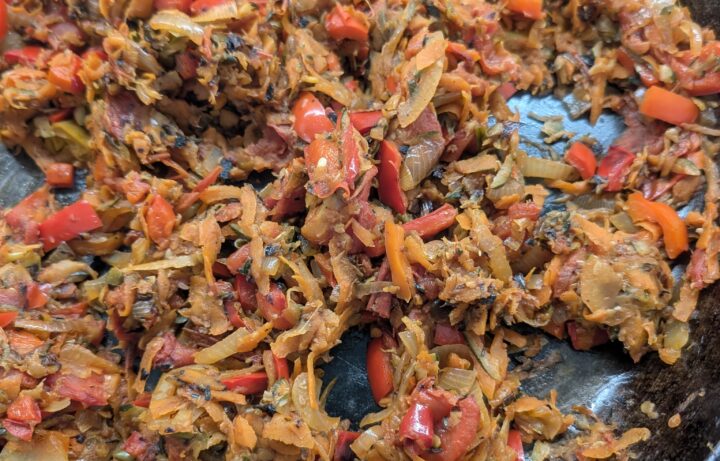
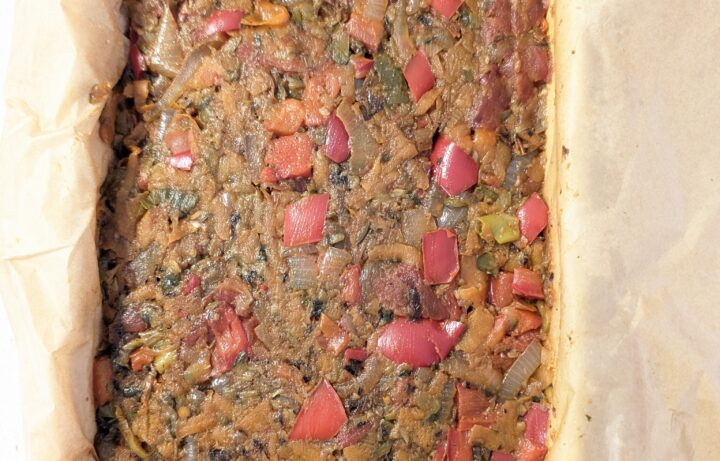
- Add the harder vegetables first (cabbage, carrot) and cook for 5 minutes. Add the tinned tomatoes, Old Bay or Korean seasoned salt, and kimchi if using. Simmer until the sauce has reduced and the vegetables are tender — you want a thick, saucy filling, not a watery one.
- If using spinach, stir it through right at the end, just until wilted. Season to taste. Set aside to cool completely.
- Mix the ricotta with the grated parmesan, mozzarella, and a splash of whey or milk until it’s a spreadable consistency. Season with pepper.
- Spoon the cooled filling into the cooled sweet potato cups. Top each with a generous dollop of the ricotta mixture, then scatter extra grated cheese over the top.
- Bake at 180°C for 15–20 minutes until the cheese is melted and starting to brown on top, or flash under a hot grill for the last few minutes to get a golden crust.
Notes
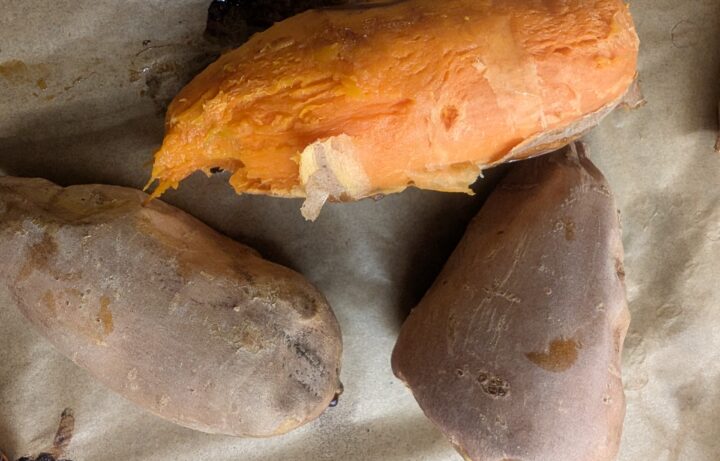
Cooking the sweet potato: Two methods work well. For a drier mash that needs less semolina, roast whole sweet potatoes at 200°C for 45–60 minutes until completely soft, then scoop out the flesh. For speed, peel and chop into chunks, spread in a baking tray, cover with foil, and bake at 200°C for about an hour — this gives a wetter mash, so you may need to increase the semolina to 60–70g.
The filling is the whole point: This is a cucina povera recipe — use whatever vegetables need eating. The tomato-onion base is the only constant. Capsicum, zucchini, mushrooms, eggplant, silverbeet, kale — anything that sautés down well works. The kimchi is optional but it adds a fermented depth that makes the filling taste like it’s been cooking for hours.
Freezing: Cool the assembled cups completely, then freeze individually on a tray before transferring to airtight containers or vacuum-sealed bags. They stack neatly and hold their shape well.
Reheating from frozen: Defrost in the microwave, then heat through in the air fryer on a piece of baking paper for about 10 minutes until hot and the cheese has re-crisped on top.
Leftover filling: Any extra filling freezes well on its own — it’s essentially a shakshuka base. Thaw it, crack eggs into it, and bake or simmer until the eggs are set.
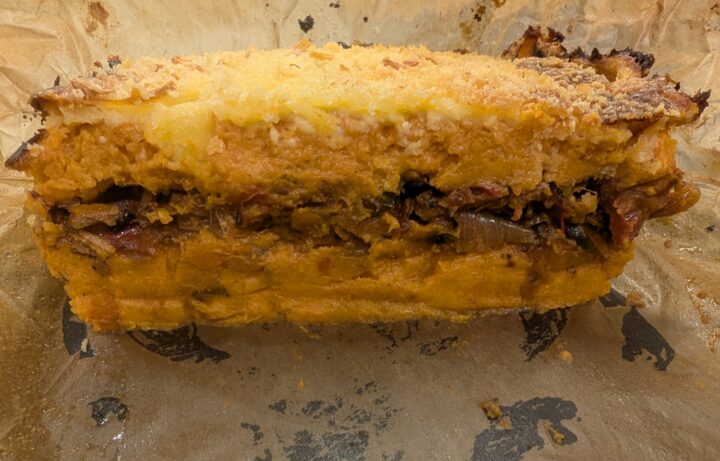
Loaf pan variation: For a sliceable version, use a springform loaf pan (30 x 11 cm). Press half the mash into the base, lay a sheet of plastic wrap on top, then spread the remaining mash on top of the wrap. Refrigerate until firm (several hours or overnight). Remove the top slab using the wrap, spread the filling over the base, then peel the wrap off the top slab and flip it over as a lid. Top with cream, cheese, and panko or everything bagel seasoning. Bake at 180°C for 40–45 minutes. Leftover slices can be flattened and grilled hard for a crispy second serve.
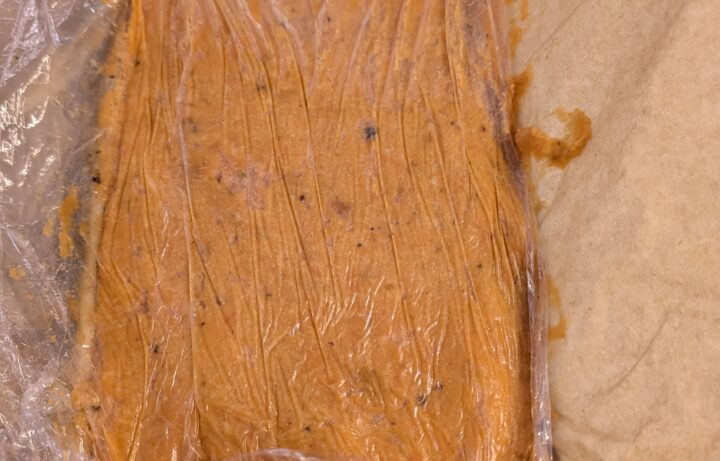
Plastic wrap technique for the loaf pan: Use two sheets of wrap for the top slab — one underneath and one on top. When you’re ready to assemble, peel off the top sheet, flip the slab onto the filling, then use the remaining sheet to press it flat and smooth before peeling it away. This keeps the mash from sticking and gives you clean, neat layers.
Other starches: The technique works with any starch that mashes and sets firm — regular potato, pumpkin, cauliflower, or the traditional maize meal (mealie pap). Adjust the semolina accordingly as each has different moisture levels.
Topping variations: If you don’t have ricotta, just use grated cheese or softened cream cheese. Panko breadcrumbs tossed in melted butter, or everything bagel seasoning scattered over the cheese before baking, both give a good crunchy top.